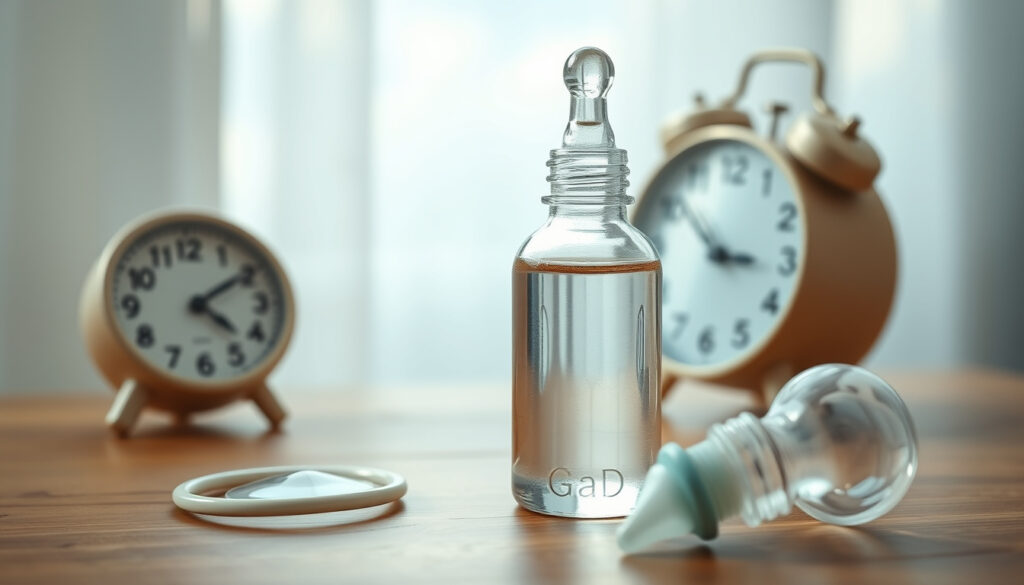
Gripe Water for Newborns: Safety, Evidence, and Alternatives
Anyone who has spent a sleepless night with a crying, colicky baby knows the desperation for a solution. Gripe water has been a go-to remedy for generations, but parents today are right to ask: does it actually work, and is it safe?
Infants affected by colic: 20–25% ·
Typical active ingredients: Sodium bicarbonate, dill seed oil, ginger, fennel ·
Minimum age recommendation: 1 month (most brands) ·
Alcohol content (modern formulations): 0% ·
Average retail price (150 ml): €5–€10 ·
Regulatory status in Ireland: Legally sold; historic ban on alcohol-containing versions (2014)
Quick snapshot
- Modern formulations are alcohol-free and sugar-free (NHS (UK health authority))
- Ireland’s HPRA banned older versions containing alcohol and sugar in 2014 (HPRA (Irish medicines regulator))
- NHS does not endorse gripe water due to insufficient evidence (NHS (UK health authority)) (NHS (UK health authority))
- Exact effectiveness compared to placebo remains debated (Cleveland Clinic (US medical center))
- Long-term safety for regular nightly use is not well-studied (WebMD (health information publisher))
- Optimal dosing for newborns is not standardized across brands (PrescQIPP (UK prescribing guidance))
- Clinical evidence for the mechanism of action is lacking (PubMed Central (US biomedical database))
- 19th century: Gripe water first used (Wikipedia (encyclopedic reference))
- 2014: Ireland’s HPRA bans gripe water containing alcohol or sugar (HPRA (Irish medicines regulator))
- More rigorous clinical trials are needed to settle efficacy questions (PubMed Central (US biomedical database)) (South West London ICB (NHS clinical commissioning group))
- Regulatory scrutiny may increase as more countries review ‘traditional’ remedies (South West London ICB (NHS clinical commissioning group))
Five key facts about gripe water, one pattern: the evidence supporting its use is thin, but demand remains high.
| Label | Value |
|---|---|
| What is gripe water? | Traditional liquid remedy for colic and gas, containing sodium bicarbonate and herbal oils. |
| Typical ingredients | Sodium bicarbonate, dill seed oil, ginger, fennel, sometimes alcohol or sugar (older formulations). |
| Regulatory status in Ireland | Modern alcohol-free versions are legal; HPRA banned old formulations with alcohol/sugar in 2014. |
| NHS stance | Does not recommend gripe water due to lack of evidence; advises parental comfort measures and medical consultation. |
| Pediatrician consensus | Divided; many caution against use in very young infants and recommend proven methods like simethicone or probiotics. |
Is gripe water safe to give to newborns?
Do pediatricians recommend gripe water?
- A Cleveland Clinic (US medical center) clinician states there is no scientific evidence confirming gripe water is safe or effective.
- WebMD (health information publisher) says gripe water is not necessary for infant health and is not widely recommended by doctors.
Is gripe water recommended by the NHS?
- NHS (UK health authority) states: “There is not enough evidence to know whether gripe water works. It is not recommended for babies.”
- South West London ICB (NHS clinical commissioning group) says gripe water should not be prescribed for infant colic because it is not licensed for that condition.
What is the minimum age for gripe water?
- Most brands recommend from 1 month, but Times of India (news outlet) quotes a pediatrician advising against use under three months.
- PubMed Central (US biomedical database) warns that anything other than breast milk in the first six months may increase risk of bacteria, allergies, and intestinal irritation.
The implication: parents should treat gripe water with caution and seek medical advice before use.
Does gripe water actually help babies?
How long does it take for gripe water to work on newborns?
- Anecdotal reports suggest relief within 15–30 minutes, but Cleveland Clinic (US medical center) notes no scientific evidence confirming this.
- Healthline (health information publisher) says neither gripe water nor gas drops has been proven to treat colic.
What is the evidence for gripe water efficacy?
- A 2015 review in PubMed Central (US biomedical database) states gripe water use in infancy is not approved and has not been scientifically studied.
- PrescQIPP (UK prescribing guidance) says there are no data to confirm that gripe water is effective for infantile colic.
The mechanism — sodium bicarbonate neutralising stomach acid, dill oil aiding digestion — sounds plausible, but the clinical evidence is missing. The implication: parents are relying on tradition, not proof.
What are the negatives of gripe water?
Potential side effects
- Healthline (health information publisher) warns of vomiting, diarrhoea, and allergic reactions.
- Overuse can cause electrolyte imbalance, especially if the product contains sodium bicarbonate (Healthline).
Can gripe water cause allergies?
- PubMed Central (US biomedical database) notes that introducing anything other than breast milk may increase allergy risk.
- Herbal ingredients like dill and fennel can trigger sensitivities in some infants.
Is gripe water high in sugar or alcohol?
- Older formulations contained alcohol and sugar; modern versions are generally free of both (NHS (UK health authority)).
- PrescQIPP (UK prescribing guidance) lists Woodward’s ingredients as terpeneless dill seed oil, sodium hydrogen carbonate, maltitol, and propylene glycol — no alcohol.
Even modern, alcohol-free gripe water carries risks: improper dosing can lead to alkalosis, and unrefrigerated bottles can grow bacteria. Parents who choose to use it must treat it as a medicine, not a comfort drink.
The pattern: even modern, alcohol-free versions carry risks that require careful handling.
Is gripe water illegal in Ireland?
Gripe water ban in Ireland: history and current status
- In 2014, the HPRA (Irish medicines regulator) banned gripe water containing alcohol or sugar.
- Current formulations like Woodwards and Pharmony are alcohol-free and legally sold (HPRA).
Which gripe water brands are legal in Ireland?
- Woodwards Gripe Water (alcohol-free, sugar-free) is widely available.
- Pharmony Gripe Water (food supplement with natural oils) is also approved.
- No blanket ban exists; only old formulations were removed.
The pattern: Ireland’s action was a targeted safety measure, not a rejection of the product category. Parents can buy gripe water legally, but the regulator’s move signals that the product needs oversight.
Is Infacol or gripe water better?
Infacol vs gripe water: ingredients and mechanism
Three products, one key difference: Infacol uses simethicone to break gas bubbles; gripe water uses sodium bicarbonate and herbal oils.
| Product | Active ingredient | Mechanism | Age range | Price (150 ml) |
|---|---|---|---|---|
| Woodwards Gripe Water | Sodium bicarbonate, dill oil | Neutralises stomach acid, herbal digestion aid | From 1 month | ~€6 |
| Pharmony Gripe Water | Natural essential oils | Colic and wind relief | From 1 month | ~€7 |
| Infacol | Simethicone | Breaks gas bubbles | From birth (check label) | ~€5–€8 |
Which is recommended by pediatricians?
- Cleveland Clinic (US medical center) says neither is strongly endorsed; evidence for both is limited.
- Some pediatricians favour Infacol for gas relief because simethicone is better studied (Healthline).
The trade-off: gripe water addresses a broader set of symptoms (cramping, wind) but with less evidence; Infacol targets gas specifically but may not help all colic signs.
When should I give gripe water to my baby?
At what time should gripe water be given?
- Typically after feeds or when baby shows signs of colic/gas (NHS (UK health authority)).
- Not recommended for nightly use without medical advice (WebMD).
Can I give my newborn gripe water every night?
- No — regular use may lead to electrolyte imbalance or bacterial growth from improper storage (Healthline).
Gripe water dosage for newborn
- Dosage varies by brand: e.g., 2.5–5 ml for newborns; check label (PrescQIPP (UK prescribing guidance)).
- Age: most products specify from 1 month (NHS).
Gripe water age guidelines
- Consult a healthcare professional before regular use (Cleveland Clinic).
- Check the product label for the recommended minimum age and dosage.
- Shake the bottle well before each use.
- Use the dropper to measure the correct dose (typically 2.5–5 ml for newborns).
- Administer after feeds or when the baby shows signs of colic.
- Observe the baby for any adverse reactions; stop use and consult a doctor if vomiting or diarrhea occurs.
Parents looking for a quick fix: gripe water may offer short-term relief, but the evidence base is weak. The NHS and most pediatricians recommend trying comfort measures first — and if you do use it, treat it as a short-term aid, not a nightly routine.
What this means: parents should use gripe water sparingly and only after consulting a healthcare professional.
Pros and Cons of Gripe Water
Upsides
- Widely available over the counter
- Modern versions are alcohol-free and sugar-free
- Some parents report fast relief (15–30 minutes)
- Inexpensive compared to some prescription alternatives
Downsides
- No robust scientific evidence of effectiveness
- Not recommended by the NHS or most pediatricians
- Risk of allergic reactions, vomiting, electrolyte imbalance
- Improper storage can lead to bacterial contamination
Clarity: What we know and what we don’t
Confirmed facts
- Gripe water has been used since the 19th century (Wikipedia).
- Modern formulations are alcohol-free and sugar-free (NHS).
- Ireland’s HPRA banned older versions containing alcohol and sugar in 2014 (HPRA).
- NHS does not endorse gripe water due to insufficient evidence (NHS).
What’s still unclear
- Exact effectiveness compared to placebo remains debated (Cleveland Clinic).
- Long-term safety for regular nightly use is not well-studied (WebMD).
- Optimal dosing for newborns is not standardized across brands (PrescQIPP).
What the experts say
“There is not enough evidence to know whether gripe water works. It is not recommended for babies.”
“Gripe water is a non-prescription product sold in many countries to relieve colic and other gastrointestinal ailments.”
“In 2014, the HPRA announced that gripe water containing alcohol or sugar would be removed from the market.”
Summary
Gripe water occupies a strange space: a century-old remedy that parents reach for in desperation, yet one that health authorities from the NHS to the HPRA view with caution. The evidence gap is real — no large-scale trials, no clear dosing guidelines, and a real risk of side effects if used carelessly. For parents in Ireland and the UK, the choice is clear: treat gripe water as a short-term comfort measure, not a medical solution, and always consult a healthcare professional before making it a regular habit — or skip it altogether and focus on evidence-backed alternatives like simethicone or probiotics.
Frequently asked questions
Can gripe water be mixed with formula or breast milk?
Most manufacturers advise giving gripe water undiluted, but some parents mix it with a small amount of formula or expressed breast milk. Check the product label; if you mix, use it immediately to avoid bacterial growth (Healthline).
Does gripe water expire?
Yes. Always check the expiration date on the bottle. Expired gripe water may lose effectiveness or become contaminated (WebMD).
What is the difference between gripe water and colic drops?
Colic drops typically contain simethicone (like Infacol), which breaks gas bubbles. Gripe water uses sodium bicarbonate and herbal oils to neutralise acid and aid digestion. They work differently and target different symptoms (Healthline).
Can gripe water cause constipation in babies?
Constipation is not a commonly reported side effect, but some ingredients (like sodium bicarbonate) may alter digestion. If your baby becomes constipated, stop use and consult a doctor (WebMD).
Is gripe water the same as colic water?
In many countries, “gripe water” and “colic water” are used interchangeably. Both refer to liquid remedies for colic and wind. However, formulations vary by brand, so always read the label (Wikipedia).
How should gripe water be stored?
Store in a cool, dry place, away from sunlight. Once opened, some brands recommend refrigeration. Discard any unused portion after the period stated on the bottle (Healthline).
What should I do if my baby vomits after taking gripe water?
Stop giving gripe water immediately. If vomiting persists or is accompanied by other symptoms, contact your healthcare provider. It may be a sign of an allergic reaction or intolerance (WebMD).
More related posts
 Best Annuity Rates UK – Highest In 15 Years
 Emma Navarro: Health Update, Ranking & Relationship
 John Candy Cause of Death: Heart Attack, Weight, and Last Days
 Eden Hazard Retirement: Why He Quit, Net Worth & More
 Louis XVI: Final Words, Trial, and Execution Facts
 Derek Chisora: Net Worth, Record, Hardest Punchers
 Newspaper – History, Types, Formats and Evolution
 A Court of Thorns and Roses – Ultimate Guide and Reading Order
