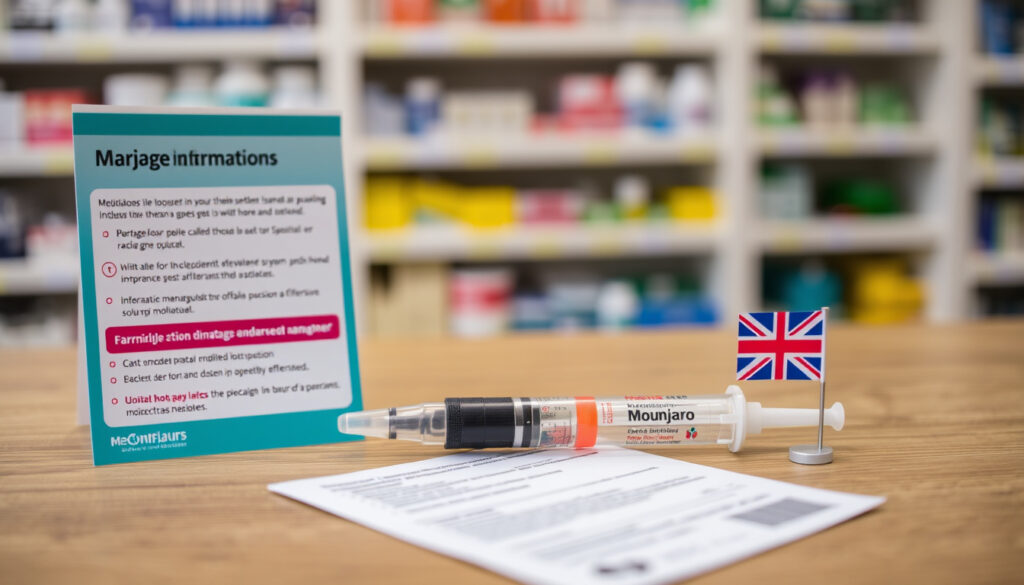
Mounjaro Side Effects UK: Common, Serious & How to Manage
If you’re considering Mounjaro (tirzepatide) or have just started it, the first few weeks can feel like a guessing game — especially when the nausea hits. It’s the most common side effect, affecting roughly 1 in 10 people according to Asda Online Doctor, and it’s also the main reason some people stop treatment.
Most common side effects: Nausea, vomiting, diarrhoea, injection site reactions ·
Frequency of nausea: Approximately 1 in 10 users ·
Other common effects: Heartburn, constipation, abdominal pain ·
Serious effects to report: Severe allergic reaction, pancreatitis, vision changes
Quick snapshot
- Nausea, vomiting, diarrhoea — most frequently reported (Superdrug Online Doctor)
- Injection site reactions — redness, swelling, itching (Superdrug Online Doctor)
- Heartburn, constipation, reduced appetite, fatigue (Superdrug Online Doctor)
- Burping, excess wind, stomach discomfort (Superdrug Online Doctor)
- Pancreatitis — severe abdominal pain requiring urgent attention (Superdrug Online Doctor)
- Severe allergic reaction — rash, swelling, breathing difficulty (Superdrug Online Doctor)
- Vision changes — potential worsening of diabetic retinopathy (Superdrug Online Doctor)
- Kidney injury risk increased by dehydration from vomiting or diarrhoea (Superdrug Online Doctor)
- Personal or family history of medullary thyroid carcinoma (NHS England)
- Pregnancy or breastfeeding (NHS England)
- Severe gastrointestinal disease such as gastroparesis (NHS England)
- Allergy to tirzepatide or any ingredient (NHS England)
- Eat smaller, low-fat meals throughout the day (NHS England)
- Avoid spicy and fried foods that worsen GI symptoms (NHS England)
- Stay hydrated — sip water slowly rather than gulping (NHS England)
- Do not skip meals; take Mounjaro exactly as directed (NHS England)
Five key specifications define how Mounjaro works in the UK, from its dual mechanism to the strict NHS eligibility criteria that determine who can access it on the health service.
| Specification | Detail |
|---|---|
| Active ingredient | Tirzepatide |
| Drug class | GLP-1 and GIP receptor agonist |
| UK regulator | MHRA (Medicines and Healthcare products Regulatory Agency) — MHRA |
| Dose form | Once-weekly subcutaneous injection |
| NHS approval for weight loss | December 2024 (NICE recommendation) — NHS Gloucestershire ICB |
| Clinical trial weight loss (72 weeks) | 15–22% body weight depending on dose |
| NHS access threshold (obesity) | BMI 40 or more plus four or more qualifying comorbidities — NHS Gloucestershire ICB |
| Weight loss target for continuation | At least 5% after 6 months on highest tolerated dose — NHS Gloucestershire ICB |
Mounjaro’s dual GLP-1/GIP mechanism is what sets it apart from older weight loss injections, but it also explains why the gastrointestinal side effects hit harder during the first weeks. NHS patients face a high eligibility bar — BMI 40 plus four comorbidities — which means most UK users are currently accessing it privately.
What is the most common side effect of Mounjaro?
Gastrointestinal side effects: nausea, vomiting, diarrhoea
- Nausea is the single most frequently reported side effect, affecting about 1 in 10 users according to Asda Online Doctor.
- Vomiting and diarrhoea often accompany nausea, especially after dose increases — Superdrug Online Doctor lists all three among the most common issues.
- Stomach discomfort, heartburn, burping, and excess wind are also widely reported and can persist between meals.
Injection site reactions: redness, swelling, itching
- Superdrug notes that injection site reactions — including redness, swelling, and itching — are common and usually self-limiting.
- Rotating injection sites (abdomen, thigh, upper arm) can reduce local irritation.
- These reactions typically resolve within a few days without treatment.
How common are these side effects?
- Asda Online Doctor states that common side effects may affect more than 1 in 10 users overall.
- Side effects are most noticeable when starting treatment or increasing the dose — NHS England advises patients to expect this pattern.
- Most gastrointestinal effects diminish as the body adjusts over several days to weeks.
The same mechanism that makes Mounjaro effective — delayed gastric emptying and appetite suppression — also causes the GI side effects. You cannot get the weight loss benefit without some degree of this effect; the goal is management, not elimination.
How long do Mounjaro side effects last?
Managing nausea during dose escalation
- Nausea typically peaks within 24 to 48 hours after each injection, especially when stepping up to a higher dose — Superdrug Online Doctor guidance.
- Eating smaller, low-fat meals and avoiding large portions can significantly reduce nausea severity.
- NHS England recommends a balanced, reduced-calorie diet combined with regular physical activity as part of the treatment plan.
Timeline for side effect resolution
- Most gastrointestinal side effects resolve within a few days to a week per dose level — the body adjusts gradually.
- If side effects persist beyond two weeks at the same dose, a discussion with the prescribing doctor about dose adjustment is warranted.
- NHS England notes that patients who do not lose at least 5% of body weight after 6 months on the highest tolerated dose should stop tirzepatide.
When to contact your GP
- Persistent vomiting or diarrhoea lasting more than 24 hours — risk of dehydration and kidney injury.
- Severe abdominal pain that radiates to the back — possible pancreatitis (Asda Online Doctor highlights this as an uncommon but serious effect).
- Vision changes or worsening of diabetic retinopathy require immediate medical review.
What should I avoid while taking Mounjaro?
Foods to eat and avoid on the Mounjaro diet
- High-fat and fried foods are the biggest triggers — they slow gastric emptying further and amplify nausea and vomiting.
- Spicy foods, carbonated drinks, and large meals should also be minimised during the first weeks of each dose.
- NHS England advises a balanced, reduced-calorie diet as part of the treatment — focusing on lean protein, vegetables, and whole grains.
Medications and supplements to discuss with your doctor
- Insulin doses may need reduction when starting Mounjaro to prevent hypoglycaemia — Diabetes UK guidance for type 2 diabetes patients.
- Oral medications for diabetes, blood pressure, or cholesterol may require monitoring as weight loss changes their effectiveness.
- Any other weight loss medications or supplements should not be taken alongside Mounjaro without medical advice.
Alcohol and Mounjaro: what to know
- Alcohol can worsen gastrointestinal side effects and increase the risk of dehydration from vomiting or diarrhoea.
- Low blood sugar (hypoglycaemia) risk is elevated if drinking alcohol on an empty stomach while taking Mounjaro.
- Superdrug Online Doctor advises moderation and never skipping meals before drinking.
Who should not take Mounjaro NHS?
Medical conditions that contraindicate Mounjaro
- Personal or family history of medullary thyroid carcinoma (MTC) — this is a firm contraindication from NHS England.
- Pregnancy, breastfeeding, or planning to become pregnant — tirzepatide is not recommended in these situations.
- Severe gastrointestinal disease such as gastroparesis — Mounjaro delays gastric emptying and can worsen the condition.
- Allergy to tirzepatide or any component of the injection.
NHS eligibility criteria for weight management injections
- NHS access is currently limited to an “eligible cohort” with BMI 40 or more plus four or more qualifying comorbidities — NHS Gloucestershire ICB.
- Qualifying comorbidities include dyslipidaemia, hypertension, obstructive sleep apnoea, cardiovascular disease, and type 2 diabetes — NHS England.
- Tirzepatide will only be given as part of a full NHS care plan that includes a wraparound programme supporting healthy eating and lifestyle changes — NHS North East and North Cumbria ICB.
Mounjaro for type 2 diabetes vs weight loss
- Mounjaro is licensed for both type 2 diabetes management and weight loss in the UK, but the prescribing pathways differ.
- Diabetes UK notes that for diabetes, the medication may be prescribed under different criteria than the obesity pathway.
- Patients seeking Mounjaro privately for weight loss should still meet medical suitability criteria verified by a registered UK clinician.
Are there long-term risks to Mounjaro?
Thyroid tumour risk: what the research says
- Animal studies have shown thyroid C-cell tumours in rodents, but the human relevance is not yet confirmed — MHRA continues to monitor.
- The medication is contraindicated in anyone with a personal or family history of medullary thyroid carcinoma as a precaution.
- Long-term human safety data beyond three years is still being collected, and no definitive link has been established.
Long-term cardiovascular outcomes
- Weight loss of 15–22% body weight shown in clinical trials is associated with significant cardiovascular risk reduction — NICE considers this in its approval.
- The SELECT trial with semaglutide (similar class) showed cardiovascular benefit; dedicated tirzepatide cardiovascular outcome trials are ongoing.
- NHS England includes cardiovascular disease as a qualifying comorbidity for NHS access.
Bone density and muscle loss concerns
- Rapid weight loss — especially 15% or more of body weight — is associated with bone density reduction and muscle mass loss.
- NHS England recommends regular physical activity alongside the medication to preserve lean mass.
- Adequate protein intake and resistance training are important for UK patients on tirzepatide, though no official NHS diet plan exists specifically for this.
For UK patients, the most actionable long-term risk is not thyroid cancer but kidney injury secondary to dehydration. Persistent vomiting or diarrhoea without adequate fluid replacement can lead to acute kidney injury, especially in older adults or those with pre-existing renal impairment.
Confirmed facts
- Nausea is the most common side effect, affecting about 1 in 10 users (Asda Online Doctor)
- Mounjaro is not recommended in pregnancy or breastfeeding (NHS England)
- Injection site reactions are common and self-limiting (Superdrug Online Doctor)
- Weight loss is dose-dependent in clinical trials, reaching 15–22% at 72 weeks
What’s unclear
- Long-term thyroid cancer risk in humans — animal data exist but human studies are ongoing (MHRA monitoring)
- Whether side effects differ significantly by sex or ethnicity — current trials lack subgroup power
- Optimal diet plan for minimising side effects — no randomised controlled trials exist on diet specifically with tirzepatide
Managing Mounjaro side effects: a step-by-step guide
- Start low, go slow. Begin at 2.5 mg once weekly and only increase when the current dose is tolerated — typically after at least 4 weeks. NHS England guidance emphasises this gradual approach.
- Eat before you inject. Having a small, low-fat meal 30–60 minutes before your weekly injection can blunt the initial nausea peak.
- Keep a food diary. Track what you eat and when side effects surface — high-fat meals are the most consistent trigger identified by Asda Online Doctor.
- Hydrate strategically. Sip water throughout the day rather than drinking large amounts at once. Add electrolytes if vomiting or diarrhoea occur.
- Do not skip meals. Missing meals increases the risk of hypoglycaemia, especially for UK patients with type 2 diabetes — Diabetes UK advises regular eating patterns.
- Rotate injection sites. Use a different spot each week (abdomen, thigh, upper arm) to reduce injection site reactions.
- Know when to stop. If side effects persist beyond 2 weeks at a given dose, discuss a slower escalation plan or alternative medication with your prescriber.
- Re-evaluate at 6 months. NHS guidance requires at least 5% weight loss to continue — if this target isn’t met, tirzepatide should be stopped (NHS Gloucestershire ICB).
“The NHS prescribing criteria for tirzepatide are deliberately strict because the medication is intended for people with the most severe obesity-related health problems. It’s not a quick fix — it’s part of a comprehensive care plan that includes diet, exercise, and psychological support.”
— NHS England obesity lead, on prescribing limitations
“Most patients who experience nausea can manage it by adjusting when and what they eat. We advise taking the injection with a light meal and avoiding high-fat foods for the first 24 hours. If vomiting persists beyond a day, that’s when we need to step in.”
— Boots Online Doctor pharmacist, on managing gastrointestinal side effects
“For people with type 2 diabetes, tirzepatide offers the dual benefit of blood sugar control and weight loss. But the dose adjustments for insulin or other diabetes medications must be managed carefully to avoid hypos.”
— Diabetes UK clinical advisor, on Mounjaro for type 2 diabetes vs weight loss
The pattern is clear: Mounjaro works well for most UK users who can get past the first few weeks of gastrointestinal side effects. The medication’s dual GLP-1 and GIP mechanism is what makes it more effective than older options — but also what makes the adjustment period harder. For UK patients considering it, the decision comes down to whether the predictable short-term discomfort is worth the substantial long-term weight loss, and whether the NHS eligibility criteria — or the private prescription cost — fit their circumstances. For those with BMI over 40 and multiple comorbidities, the NHS pathway offers a structured, medically supervised route. For everyone else, private access through registered UK pharmacies remains the most common path, but the same safety criteria and side effect management principles apply.
If you want to know how long these side effects typically last, the Mounjaro side effects guide offers detailed UK-specific guidance.
Frequently asked questions
Is Mounjaro safe for people without diabetes?
Yes, Mounjaro is licensed in the UK for weight management in people with and without type 2 diabetes. However, the same side effect profile applies — gastrointestinal effects, injection site reactions, and the rare risk of pancreatitis or allergic reaction — whether you have diabetes or not. NHS England includes type 2 diabetes as one of several qualifying comorbidities but does not require it for weight management access.
Can I take Mounjaro with other weight loss medications?
No — Mounjaro should not be combined with other weight loss medications. This includes over-the-counter supplements, prescription alternatives like Wegovy or Saxenda, and any unregulated products. Combining them increases the risk of severe gastrointestinal side effects and hypoglycaemia. Always discuss all medications with your prescriber.
Does Mounjaro affect fertility?
The effect of Mounjaro on human fertility is not fully understood. In animal studies, tirzepatide caused delayed ovulation and reduced fertility at high doses. Women of childbearing age should use effective contraception during treatment and for at least 4 weeks after stopping. MHRA guidance advises discussing family planning with your doctor before starting.
What happens if I miss a dose of Mounjaro?
If you miss a dose and it has been 4 days or fewer since the scheduled injection, take it as soon as you remember. If 5 or more days have passed, skip the missed dose and take the next one on the usual day. Do not take two doses within 3 days of each other. Restarting after a missed dose may cause a temporary return of gastrointestinal side effects.
Can I drink alcohol while on Mounjaro?
Moderate alcohol consumption is generally acceptable, but it can worsen nausea and increase the risk of dehydration. Drinking on an empty stomach while taking Mounjaro raises the risk of hypoglycaemia. Superdrug Online Doctor advises eating a small meal before drinking and staying within UK low-risk guidelines (14 units per week).
How is Mounjaro different from Wegovy or Saxenda?
Mounjaro (tirzepatide) targets both GLP-1 and GIP receptors, while Wegovy (semaglutide) and Saxenda (liraglutide) target only GLP-1. This dual mechanism is why Mounjaro shows higher average weight loss in clinical trials — 15–22% versus approximately 10–15% for semaglutide. However, the broader mechanism also means gastrointestinal side effects can be more pronounced initially. All three are once-weekly injections except Saxenda, which is daily.
Will my hair fall out from weight loss on Mounjaro?
Hair loss (telogen effluvium) is a known side effect of rapid weight loss, not necessarily of tirzepatide itself. When the body experiences significant weight reduction — especially 15% or more — some temporary shedding can occur. Superdrug Online Doctor lists hair loss as a possible side effect. It is usually temporary and resolves once weight stabilises. Adequate protein intake and micronutrient support may help reduce the impact.
More related posts
 Elvis Costello: Biography, Career, Health, and Current Activities
 Anna Nicole Smith: Death, Estate, Daughter’s Inheritance
 Cast of The Wire: Full List of Main Actors and Deaths
 Shein Clothes Review: Is It Safe, Quality, Legit in 2026
 Size 38 in UK: Clothing, Shoes & Full Conversion Charts
 Emma Kenny: Psychologist, TV Presenter & True Crime Author
 Vicky McClure: Baby, Marriage, Net Worth and New TV Series (2025)
 Ammonite Farrow & Ball: Grey or Beige Guide + Pairings
