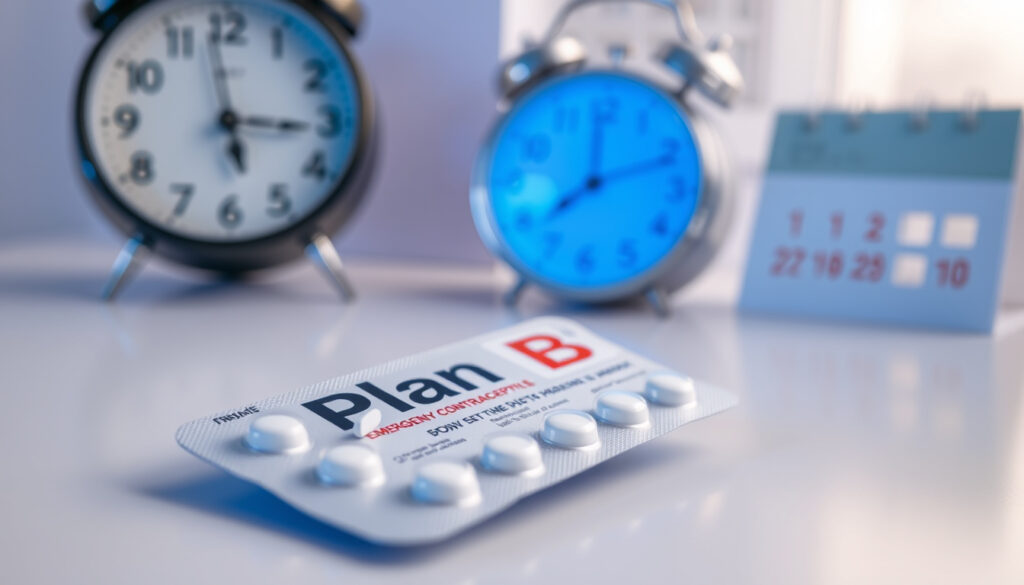
What Is Plan B – Facts on Effectiveness, Side Effects and Use
What Is Plan B?
Plan B One-Step is an over-the-counter emergency contraception pill containing levonorgestrel as its active ingredient. It is designed to be taken after unprotected sex or contraceptive failure to reduce the risk of pregnancy. The medication works primarily by delaying ovulation, preventing the release of an egg from the ovary before fertilization can occur.
Unlike drugs used to terminate an established pregnancy, Plan B does not affect an implanted fertilized egg. According to the FDA, it is classified as an emergency contraceptive and is not an abortifacient. The pill is widely available without a prescription for individuals aged 17 and older in the United States.
The medication comes as a single-dose tablet containing 1.5 mg of levonorgestrel. Cleveland Clinic guidelines indicate it remains most effective when taken as soon as possible after intercourse, with efficacy highest within the first 24 hours and declining significantly after 72 hours.
Key Facts About Plan B
- Approximately 89–95% effective when taken within 72 hours of unprotected sex, reducing pregnancy risk by 75–89%
- Available over-the-counter at pharmacies nationwide for those aged 17 and older
- Side effects are typically mild and resolve within 1–2 days
- Does not protect against sexually transmitted infections
- May be less effective for individuals with a BMI above 25–30
- The World Health Organization includes it on the list of essential medicines for emergency contraception
- No evidence suggests any long-term impact on future fertility
| Fact | Detail |
|---|---|
| Active Ingredient | Levonorgestrel (1.5 mg per dose) |
| Maximum Effectiveness Window | 72 hours (3 days); significant decline afterward |
| US Cost Range | $11–50 at pharmacies; generic versions often cheaper |
| Minimum Purchase Age (US) | 17 years old (OTC without prescription) |
| Common Side Effects Duration | 1–2 days, typically resolving on their own |
| Effect on Future Fertility | No known impact on long-term reproductive health |
Plan B Side Effects
Most individuals who take Plan B experience only mild side effects that resolve within one to two days. According to GoodRx and Cleveland Clinic resources, common reactions affect approximately one in three users and do not cause lasting harm. The medication does not affect future fertility, even with repeated use.
Common Side Effects
- Heavier next period or unexpected breakthrough bleeding
- Nausea or vomiting
- Lower abdominal pain or cramping
- Tiredness and fatigue
- Headache or dizziness
- Breast tenderness
- Period arriving late or earlier than expected
Taking Plan B with food can help reduce nausea. Over-the-counter pain relievers such as ibuprofen may alleviate cramping. If vomiting occurs within two hours of taking the dose, a repeat dose may be necessary—consult a pharmacist or healthcare provider for guidance.
Less Common Reactions
- Diarrhea
- Painful menstruation
- Unusual vaginal discharge
- Migraine or severe headache
When to Seek Immediate Medical Care
Serious adverse reactions are rare but require prompt attention. According to MedlinePlus and Mayo Clinic sources, individuals should seek emergency care if they experience severe abdominal pain occurring three to five weeks after taking the pill, as this may indicate an ectopic pregnancy. Heavy bleeding soaking one or more pads per hour, persistent itching or rash suggesting an allergic reaction, or symptoms lasting longer than 48 hours also warrant immediate medical evaluation.
Severe abdominal pain appearing weeks after taking Plan B, heavy bleeding requiring frequent pad changes, or symptoms of an allergic reaction such as itching, swelling, or difficulty breathing should be evaluated immediately by a healthcare professional.
How Much Is Plan B and Is It Free?
The cost of Plan B One-Step varies depending on location and whether a generic alternative is purchased. In the United States, the medication typically ranges from $11 to $50 when bought over-the-counter at major pharmacy chains such as Walgreens or CVS. Generic versions containing the same active ingredient often cost significantly less than brand-name options.
For those concerned about affordability, several free and low-cost options exist. Planned Parenthood clinics frequently provide emergency contraception at no cost or reduced cost based on income. Some health departments, university health centers, and community clinics also offer the medication without charge. The NHS in the United Kingdom provides access through sexual health services, though specific coverage details vary by region.
Cost Overview
- Brand-name Plan B One-Step: $40–50 at most retail pharmacies
- Generic levonorgestrel products: $11–25 typically
- Planned Parenthood clinics: Free or reduced cost based on income eligibility
- UK NHS services: Free through GP surgeries and participating pharmacies for those who qualify
Insurance coverage for emergency contraception varies by provider and plan. Some plans cover the medication with a prescription but may not cover over-the-counter purchases. Checking with individual insurance providers or using discount cards can help reduce out-of-pocket expenses.
Where to Buy Plan B
Plan B is available over-the-counter at most major pharmacies and drugstores throughout the United States. No prescription is required for individuals aged 17 and older. Major retailers including Walgreens, CVS, Walmart, and Rite Aid typically stock the medication in the family planning or women’s health aisle. Generic versions are often located near the brand-name product.
For those searching for “Plan B near me,” visiting a local pharmacy or big-box retailer is typically the quickest option. Most locations maintain consistent stock, though availability may vary on weekends or during high-demand periods. Calling ahead to confirm availability can save an unnecessary trip.
UK Availability
In the United Kingdom, levonorgestrel-based emergency contraception is sold at Boots pharmacies and other participating chemists. The medication is available over-the-counter without a prescription, though pharmacists may ask questions to confirm suitability. For those preferring not to purchase in person, the Boots online doctor service offers the option to order digitally and collect in store.
Because stock levels fluctuate, contacting a local Boots store directly or using the store locator on the Boots website can confirm whether the medication is currently available. Some areas may require ordering through the online service for next-day collection.
Online Purchasing Options
Several online pharmacies and telehealth services offer Plan B with discreet home delivery. While delivery times may not suit urgent situations, digital pharmacies can provide a convenient option for advance planning or those who prefer privacy. Always verify that the online service is licensed and requires age verification before completing a purchase.
Will Plan B Work After 7 Days?
Plan B is not recommended or effective if taken more than 72 hours after unprotected intercourse. The medication’s primary mechanism relies on delaying ovulation, which must occur before it can be prevented. Once ovulation has already taken place, the pill cannot prevent fertilization or implantation.
Clinical data on levonorgestrel effectiveness beyond 72 hours remains limited and shows significantly reduced efficacy. According to Cleveland Clinic guidelines, those requiring emergency contraception after the three-day window may want to consider ulipristal acetate (marketed as ella), which retains effectiveness for up to five days after intercourse. A copper intrauterine device (IUD) can serve as an emergency contraceptive option for up to five days after ovulation has occurred.
Factors Affecting Effectiveness
- Timing: Effectiveness decreases substantially after 72 hours
- Body weight: May be less effective for individuals with a BMI above 25–30
- Drug interactions: St. John’s wort and certain other medications can reduce efficacy
- Vomiting shortly after taking: May require a repeat dose
- Existing ovulation: Does not work if ovulation has already occurred
Consult a healthcare provider or visit a sexual health clinic promptly. Alternative options such as ulipristal acetate or a copper IUD may be more appropriate. The sooner emergency contraception is sought, the more effective the available options become.
Is Plan B Abortion?
No. Plan B One-Step is not an abortion pill and does not terminate an established pregnancy. This distinction is supported by major health organizations including the FDA, Planned Parenthood, and the Cleveland Clinic. The medication works solely by delaying or preventing ovulation—it has no effect on a fertilized egg that has already implanted in the uterine lining.
Abortifacient drugs such as mifepristone and misoprostol work differently, by ending an existing pregnancy. Plan B does not cause uterine contractions, thin the uterine lining, or affect an implanted embryo. Anyone with concerns about how the medication works should consult a healthcare provider for personalized information.
What the Research Shows
Multiple peer-reviewed studies and medical guidelines confirm that levonorgestrel does not interfere with established pregnancies. The FDA explicitly states on its labeling that Plan B is not effective if a woman is already pregnant. The medication is designed for emergency use before pregnancy occurs, not after.
The FDA classifies Plan B as an emergency contraceptive rather than an abortifacient. The WHO includes it among essential medicines for emergency contraception, emphasizing its role in preventing ovulation rather than disrupting established pregnancies.
Understanding Effectiveness: What We Know and What Remains Uncertain
Research consistently demonstrates that Plan B is highly effective when taken promptly, though certain variables affect individual outcomes.
What Is Established
- 89–95% effectiveness when taken within 72 hours of unprotected sex
- Greatest efficacy when taken as soon as possible—ideally within 24 hours
- Reduces the risk of pregnancy by approximately 75–89% compared to taking no action
- Mild, temporary side effects that resolve within 1–2 days
- No evidence of long-term effects on fertility or future pregnancies
- Safe for use by most healthy individuals
What Remains Less Certain
- Precise effectiveness rates for individuals with BMI above 30—data is limited
- Long-term safety data from repeated use over short intervals
- Exact mechanisms of action in cycles where ovulation timing is already shifting
- Comparative efficacy data between generic and brand-name formulations
Those with specific health concerns or questions about how Plan B may interact with their body should consult a healthcare professional before use.
History and Regulatory Timeline
Plan B has undergone significant regulatory changes since its initial approval. Understanding the timeline provides context for its current status as a widely accessible over-the-counter option.
- : Plan B received initial FDA approval as a prescription-only emergency contraceptive
- : FDA approved over-the-counter sale for women aged 17 and older
- : FDA granted full over-the-counter approval for all ages, removing age restrictions
- : Plan B One-Step, the single-dose formulation, was introduced to the market
- : Generic versions became available, increasing affordability
The shift from prescription-only to over-the-counter status reflects accumulating evidence of the medication’s safety profile and the public health need for accessible emergency contraception.
Comparing Emergency Contraception Options
Plan B is one of several emergency contraception options available. Understanding how it compares to alternatives can help individuals make informed choices based on their specific circumstances.
- Plan B (levonorgestrel): Single 1.5 mg dose, effective within 72 hours, available OTC
- ella (ulipristal acetate): Single dose, effective up to 5 days, requires prescription in most settings
- Copper IUD: Long-acting reversible contraceptive, effective up to 5 days post-ovulation, requires clinical insertion
Each option carries different efficacy profiles, side effect profiles, and access requirements. A healthcare provider can help determine which option best suits an individual’s health history, timing needs, and personal preferences.
Guidance From Major Health Organizations
“Plan B One-Step is a safe and effective emergency contraceptive that can be used to prevent pregnancy after unprotected sex or contraceptive failure. It is not an abortion pill and does not affect an established pregnancy.”
— FDA Drug Safety Communication
“Emergency contraception is an important option for individuals who need to prevent pregnancy after unprotected sex. Levonorgestrel-based products are most effective when taken as soon as possible.”
— World Health Organization Essential Medicines List Guidelines
These positions align with the broader medical consensus that emergency contraception serves a distinct purpose from abortion and is a valuable tool in preventing unintended pregnancies.
Summary
Plan B One-Step is a safe, effective emergency contraception option available over-the-counter in most countries. It works by delaying ovulation to prevent pregnancy and is most effective when taken within 72 hours of unprotected sex. Side effects are generally mild and temporary, resolving within one to two days. The medication is not an abortion pill and does not affect established pregnancies or future fertility.
Cost varies by location and formulation, with generic versions and free programs available through organizations such as Planned Parenthood. For those wondering where to obtain it, major pharmacies and health clinics provide accessible options without requiring a prescription for adults. Individuals with questions about whether Plan B is appropriate for their circumstances should consult a healthcare provider or visit a local sexual health clinic.
Those interested in related health topics may find our article on What Does Niacinamide Do informative for understanding other aspects of personal health management.
Frequently Asked Questions
Is Plan B free?
Plan B is not universally free, but free options exist through organizations such as Planned Parenthood (income-based), some health departments, and university health clinics. Generic versions typically cost $11–25.
Where can I find Plan B near me?
Most major pharmacies carry Plan B, including Walgreens, CVS, and Walmart. Contact a local pharmacy to confirm availability before visiting.
Can I buy Plan B at Boots in the UK?
Yes. Boots pharmacies sell levonorgestrel-based emergency contraception over-the-counter. Check availability via the Boots store locator or online ordering service.
How soon after unprotected sex should I take Plan B?
As soon as possible. Effectiveness is highest within 24 hours and remains significant up to 72 hours. After 72 hours, efficacy drops substantially.
Will Plan B affect my next period?
Many users experience a heavier period, breakthrough bleeding, or timing changes (earlier or later than expected). These effects typically resolve within one to two menstrual cycles.
Can I take Plan B more than once?
While the medication is safe for occasional use, it is not intended as a regular contraception method. Repeated emergency contraception use may cause irregular bleeding and does not protect against sexually transmitted infections.
Does Plan B work if I am already pregnant?
No. Plan B does not terminate an existing pregnancy and is ineffective once a fertilized egg has implanted in the uterine lining.
Can I use Plan B while breastfeeding?
Levonorgestrel passes into breast milk in small amounts, but the FDA considers it compatible with breastfeeding. Consult a healthcare provider for personalized guidance.
What should I do if I vomit after taking Plan B?
If vomiting occurs within two hours of taking the dose, the medication may not be fully absorbed. Consult a pharmacist or healthcare provider about whether a repeat dose is needed.
Does Plan B interact with other medications?
Certain medications, including St. John’s wort and some epilepsy drugs, may reduce Plan B’s effectiveness. Discuss all current medications with a pharmacist or doctor before use.
More related posts
 Why Am I Always Cold – Causes, Vitamins & Treatments
 Princess Eugenie: Scoliosis, Wedding, and Family Facts
 Dwight Yorke: Harvey Price, Net Worth, Career, and Family
 Scarlet Rose Stallone: Age, Movies, Family & Tulsa King
 French Presidents: Full List and Macron’s Personal Life
 One Piece Characters: Full List, Facts, and Fan Debates
 Carlos Alcaraz 2025: relationship, diet, injury, ranking & more
