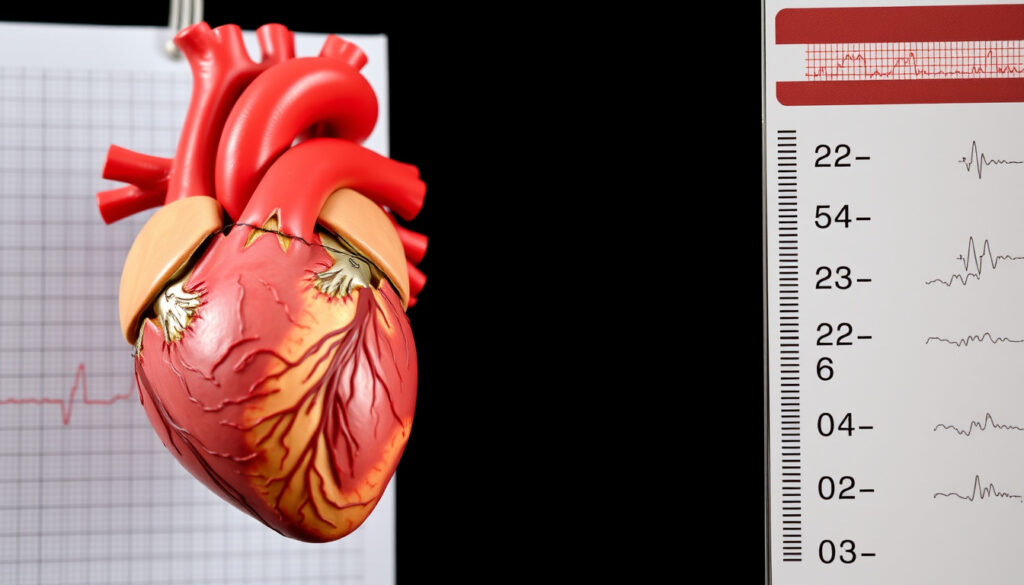
What Is Heart Disease? Symptoms, Types, Causes, and Treatment
Most people don’t realize heart disease can be quietly progressing for years before symptoms ever appear. It’s not a single condition but a family of them, ranging from clogged arteries to irregular heartbeats to structural problems you may be born with. This guide breaks down what heart disease actually is, the different types, early warning signs, what causes it, and how it can be managed — so you know what to watch for and what questions to ask your doctor.
Heart disease describes a range of conditions affecting the heart’s structure and function. — Mayo Clinic
Leading cause of death in the US: About 697,000 deaths per year ·
Adults affected in the US: 1 in 3 ·
Most common type: Coronary artery disease ·
Annual economic burden (US): Over $200 billion ·
Reduction in risk with lifestyle change: Up to 80% of cases may be preventable
Quick snapshot
- Heart disease describes a range of conditions affecting the heart (Mayo Clinic)
- Coronary artery disease is the most common type (CDC)
- High blood pressure and high cholesterol are major risk factors (Bayfront Health)
- Lifestyle changes can significantly reduce risk (Tampa General Hospital)
- Exact number of distinct types may vary by classification system
- Long-term survival rates vary widely based on type, severity, and treatment adherence
- Exact prevalence of each type is not precisely known
- Causes of some cardiomyopathy cases remain idiopathic
- Coronary artery disease progresses silently over years before causing angina or heart attack (CDC)
- Focus remains on early detection through screening and symptom awareness
- Research continues into improved treatments and prevention strategies
Five key facts about heart disease, one pattern: the numbers are sobering, but the potential for prevention is equally striking.
Coronary artery disease is the most common type of heart disease in the United States. — CDC
| Fact | Value |
|---|---|
| Prevalence in US adults | ~1 in 3 adults have some form of heart disease |
| Leading cause of death | Heart disease is the #1 cause of death in the US |
| Annual deaths (US) | Approximately 697,000 per year |
| Risk reduction | Up to 80% of heart disease cases may be preventable |
What is heart disease?
Definition of heart disease
Heart disease is an umbrella term for a range of conditions that affect the heart’s structure and function. It includes problems with the blood vessels (coronary artery disease), heart rhythm (arrhythmias), heart muscle (cardiomyopathy), heart valves, and congenital heart defects present at birth. According to the Mayo Clinic (leading medical research institution), coronary artery disease — caused by plaque buildup in the arteries — is the most common type in the United States.
Heart disease vs cardiovascular disease
The terms are often used interchangeably, but they’re not identical. Cardiovascular disease is a broader category that includes heart disease plus conditions affecting blood vessels throughout the body, such as stroke and peripheral artery disease. As the Cleveland Clinic (internationally recognized heart center) explains, atherosclerosis — the buildup of plaque in arteries — underlies both coronary artery disease and peripheral artery disease.
Who is at risk?
More than 1 in 3 U.S. adults have some form of heart disease, according to the CDC (U.S. public health agency). Risk increases with age, and certain groups face higher odds: people with high blood pressure, high cholesterol, diabetes, or a family history of heart conditions. Smoking, obesity, and a sedentary lifestyle also raise the stakes.
Heart disease can be silent for years, yet it remains the nation’s top killer — a condition that often announces itself only when it’s already advanced.
The implication: heart disease is not a single diagnosis. It’s a spectrum, and where someone falls on that spectrum dramatically changes their outlook and treatment path.
What are the types of heart disease?
Coronary artery disease
- Most common type, caused by plaque (fats, cholesterol) buildup in artery walls — a process called atherosclerosis (Mayo Clinic)
- Affects about 1 in 20 U.S. adults over age 20 (Bayfront Health)
- Can lead to angina, heart attack, or contribute to heart failure (American Heart Association (leading cardiovascular organization))
Heart failure
- The heart can’t pump enough blood to meet the body’s needs (CDC)
- Symptoms include shortness of breath, fatigue, swelling of feet, ankles, legs, abdomen, and neck veins (CDC)
- Management can involve pacemakers, medications, and lifestyle changes (Bayfront Health)
Arrhythmias
- Abnormal heart rhythms that can be too fast, too slow, or irregular (Mayo Clinic)
- Causes include coronary artery disease, high blood pressure, smoking, diabetes, excessive alcohol/caffeine, and some drugs (Mayo Clinic)
- Can cause palpitations, dizziness, and fainting; treated with medication or procedures
Heart valve disease
- Valves become too narrow or don’t close properly, disrupting blood flow (Cleveland Clinic)
- May cause heart murmurs, breathlessness, and fatigue; surgery may be required
Up to half of heart disease cases involve coronary artery disease, according to Medical News Today (health news outlet). That means the most common form is also the most preventable — but it’s also the one most often caught late.
Why this matters: knowing which type you’re dealing with changes everything — from daily medications to whether you’ll need surgery. A one-size-fits-all approach doesn’t exist.
What are the symptoms and early warning signs?
Common symptoms of heart disease
The Cleveland Clinic lists chest pain, shortness of breath, fatigue, palpitations, and swelling in the legs as hallmark signs. But symptoms vary by type: coronary artery disease often brings chest discomfort (angina) during exertion, while heart failure more commonly causes breathlessness and fluid buildup.
Early warning signs
- Chest discomfort — pressure, squeezing, or pain that lasts more than a few minutes (Mayo Clinic)
- Shortness of breath during routine activities
- Pain or numbness in the neck, jaw, throat, or left arm
Symptoms in women
Women often experience heart disease differently. The Mayo Clinic notes that women are more likely to report nausea, extreme fatigue, and jaw pain — symptoms that can be mistaken for indigestion, stress, or simply aging. This gap in awareness contributes to delayed diagnosis and treatment for many women.
Heart disease can remain silent until a heart attack, heart failure, or arrhythmia occurs, warns the CDC. That’s a critical reason to pay attention to subtle, persistent changes — especially if you’re in a higher-risk group.
The catch: most people expect dramatic chest-clutching pain, but early signals often look like heartburn, a pulled muscle, or “just feeling off.” That quiet onset is what makes heart disease so dangerous.
What causes heart disease?
Major risk factors
According to Bayfront Health, risk factors for heart disease include high blood pressure, high cholesterol, type 2 diabetes, smoking, obesity, and family history. The more risk factors a person has, the higher their likelihood of developing some form of the condition.
Genetic and lifestyle contributors
- Family history: Having a parent or sibling with early heart disease increases your own risk
- Diet: A diet high in saturated fats, trans fats, and sodium contributes to plaque buildup
- Physical inactivity: Lack of exercise weakens the heart and contributes to obesity
- Smoking: Damages blood vessel linings and reduces oxygen delivery to the heart (Mayo Clinic)
How plaque builds up
Atherosclerosis — the accumulation of fats, cholesterol, and other substances inside artery walls — is the primary mechanism behind coronary artery disease. As the Mayo Clinic explains, this buildup narrows arteries over time, reducing blood flow to the heart muscle and setting the stage for angina or a heart attack. Dilated cardiomyopathy, the most common type of cardiomyopathy, is often idiopathic (unknown cause) or inherited.
A patient with three risk factors — high blood pressure, smoking, and a sedentary lifestyle — faces a dramatically higher chance of developing heart disease than someone with none. The interplay is cumulative, not additive.
The pattern: heart disease rarely has a single cause. It’s the result of a slow, often invisible collision between genetics, lifestyle, and time.
Can heart disease be cured or managed?
Treatment options
Heart disease is often manageable but not curable in most cases. Treatment typically involves a combination of medications (to lower blood pressure, cholesterol, or control heart rhythm), lifestyle changes, and sometimes surgical procedures like angioplasty or bypass surgery. Tampa General Hospital (regional cardiac care center) recommends lifestyle changes as a first-line approach: healthier diet, regular exercise, quitting smoking, and managing blood pressure, cholesterol, and diabetes.
Lifestyle changes and medications
- Diet: Emphasize fruits, vegetables, whole grains, lean protein, and healthy fats
- Exercise: Aim for at least 150 minutes of moderate aerobic activity per week
- Medications: Statins, blood pressure drugs, beta-blockers, and anticoagulants are common
- Smoking cessation: Quitting smoking reduces risk of heart attack within one year (American Heart Association)
Surgical procedures
When medications and lifestyle changes aren’t enough, procedures like coronary angioplasty (stenting), heart valve repair/replacement, or bypass surgery may be recommended. For heart failure, pacemakers and implantable defibrillators help manage rhythm and maintain cardiac output.
Long-term management
With proper management, many people with heart disease live full, active lives. The key is early detection and consistent adherence to treatment plans. As the CDC notes, prevention remains the most powerful tool — up to 80% of heart disease cases may be preventable through lifestyle measures.
For the newly diagnosed American adult, the decision is clear: make heart health a daily priority through small, consistent actions — better meals, regular walks, and a strong relationship with your primary care doctor — or face the steep costs of advanced disease later.
For a detailed overview of heart disease, including symptoms and causes, see detailed overview of heart disease.
Frequently asked questions
Is heart disease hereditary?
Yes, family history is a significant risk factor. If a parent or sibling had early-onset heart disease (before age 55 for men, before 65 for women), your own risk is elevated.
What is the difference between heart disease and cardiovascular disease?
Cardiovascular disease is the broader term that includes heart disease plus conditions affecting blood vessels throughout the body, such as stroke and peripheral artery disease.
Can stress cause heart disease?
Chronic stress can contribute to behaviors that increase risk, such as overeating, smoking, and poor sleep, and may directly raise blood pressure and inflammation levels.
What is the best diet for heart disease?
A heart-healthy diet emphasizes fruits, vegetables, whole grains, lean proteins, and healthy fats while limiting saturated fats, trans fats, sodium, and added sugars.
Does exercise prevent heart disease?
Regular physical activity strengthens the heart muscle, helps control weight, lowers blood pressure, and improves cholesterol levels — cutting risk significantly.
What medications are used for heart disease?
Common medications include statins (lower cholesterol), beta-blockers (reduce heart rate), ACE inhibitors (lower blood pressure), and blood thinners (prevent clots).
Can young people get heart disease?
Yes. Conditions like congenital heart defects, arrhythmias, and cardiomyopathy can affect young people, and lifestyle factors are increasingly causing early-onset coronary artery disease.
More related posts
 Mark Goldbridge: Real Name, Net Worth, United Stand Sale
 Jeans for Women: 2026 UK Trends, Best Brands & Style Guide
 Alison Steadman health update: fall, wheelchair, recovery
 Peter Kay: Health, Weight Loss, Family, Net Worth & Recent News
 Aj Shabeel: Real Name, Age, Net Worth, and Beta Squad Split Explained
 Premier League Table Today: Top 10 Standings Live
 Caitlin Clark: Salary, Net Worth, and Controversy
 Galaxy A03 to Buy – Best UK Prices and Specs Guide
